The sentence that stalls a purchase
"Recommend further evaluation by a qualified chimney specialist." Buyers in Port Hueneme usually meet that line deep in a home inspection report, beside a photo of a fireplace that looks perfectly ordinary. It is not a finding of damage. It is the inspector saying the chimney sits past the edge of what they can judge, and that someone with a camera should look before the house closes.
This post covers what the note means, what the follow-up visit from Kearns Chimney Contractors answers, what it costs and how the result gets used in the deal.
Why inspectors pass the chimney on
A general inspector has one visit for the roof, the wiring, the plumbing, the foundation and every appliance. For the chimney that usually means a flashlight aimed up past the damper and a look at the top from a ladder or the ground. Nearly the whole flue stays out of sight. So any hint of trouble gets passed along: a dark streak on the brick face, mortar crumbs on the hearth, a crown that looks rough from the gutter line, or simply an old chimney with no paperwork.
The referral protects the buyer and the inspector. It says nothing yet about whether the chimney is sound. Plenty of referred chimneys come back with a short list of minor items. Some come back with a flue that should not carry another fire until it is repaired. The difference only shows from the inside.
The visit that answers the note
The fire code chapter written for chimneys, NFPA 211, describes a deeper tier of inspection meant for moments like a change of owner. We call it a Level 2 inspection, and it is the visit we book against a further evaluation note.
What it adds over the inspector's look:
- A recorded camera run through each flue, so every tile joint and crack is on video instead of guessed at.
- The smoke chamber above the damper, where gaps in the parging and loose mortar hide.
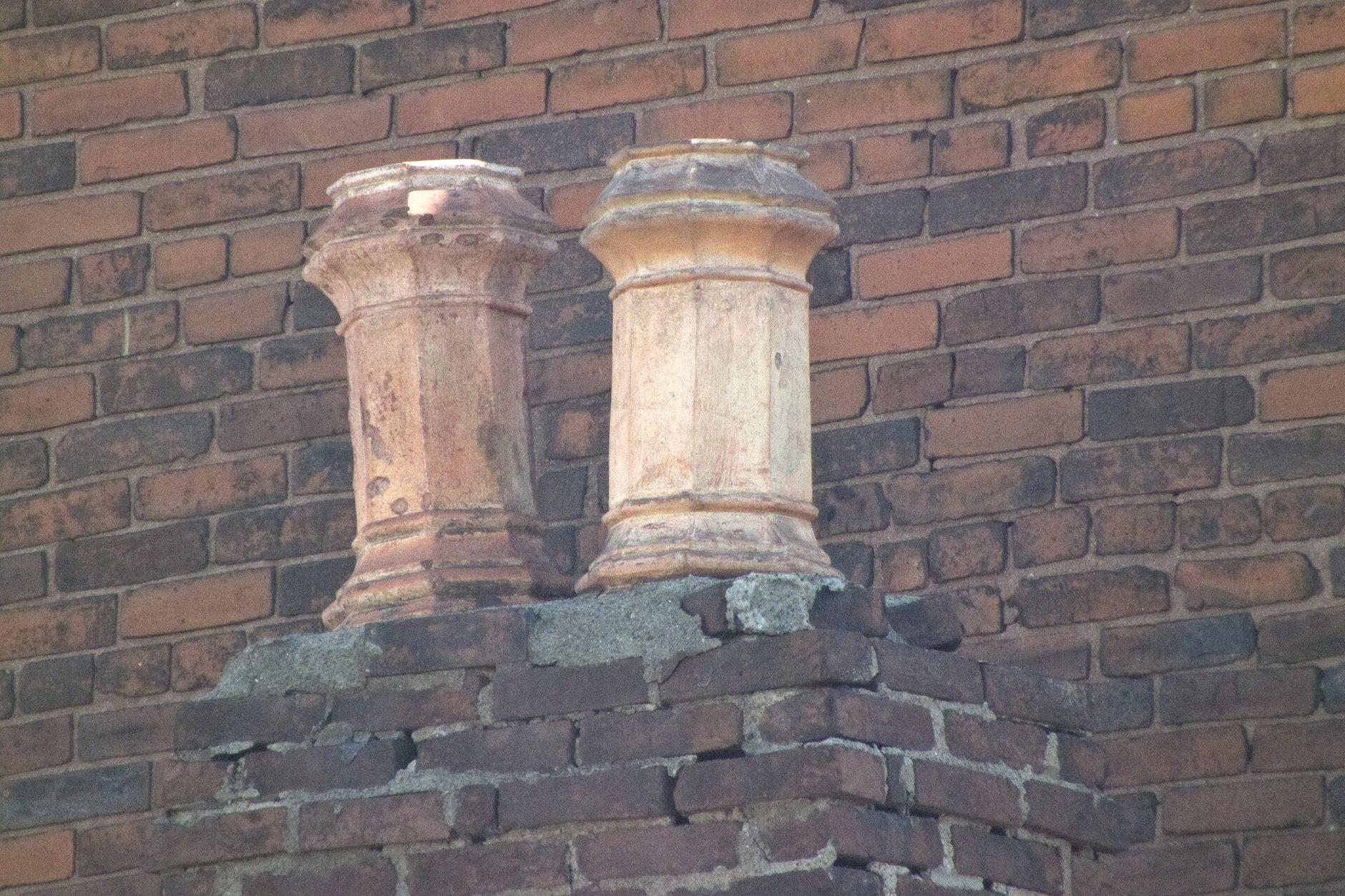
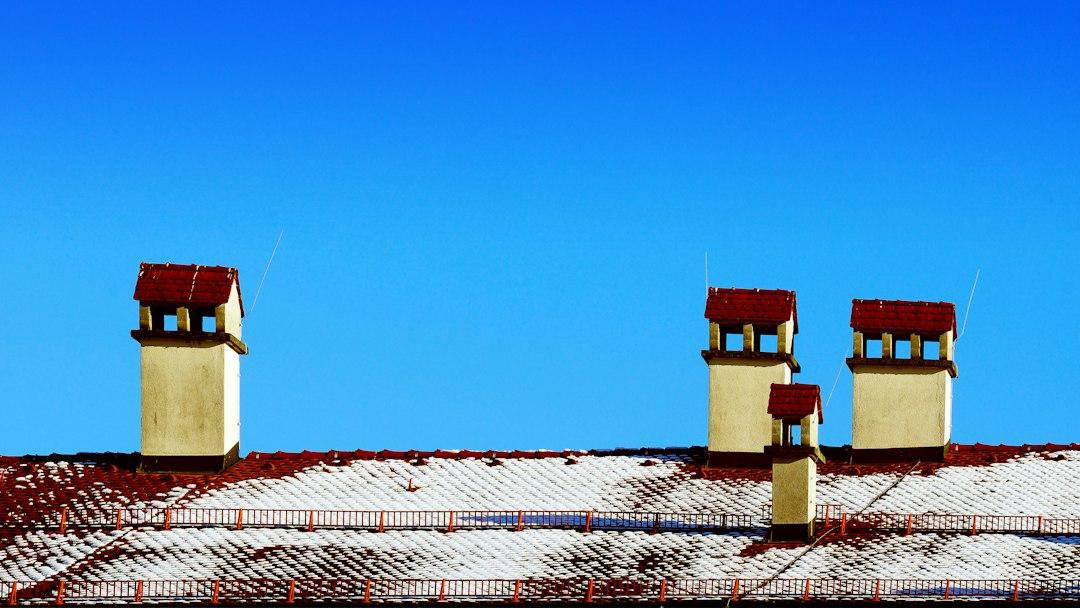
- The top of the chimney up close: crown, cap, the upper courses of brick and the metal where the stack meets the roof.
- The framing around the chimney wherever the attic or a crawl space lets us reach it.
The report sets a still or a photo beside each finding, says where on the chimney it sits, and gives our call: safe to use as it is, fix before lighting another fire, or watch. Owners tell us that last split is what helps most, because it separates a crack that matters from one that does not.
What it costs, and what it leaves out
At Kearns Chimney Contractors the camera inspection is $395. Our visual check is $55, but it will not settle a further evaluation note, because it stops where the camera starts. Paying for the cheaper visit and then booking the camera anyway costs more than going straight to the one that answers the question.
The inspection price covers the visit and the written report. Repairs are separate. Where a finding has a published price, the report says so: leak work runs $560 to $3,350. A fitted cap is quoted after we measure. For other work we write a figure once the scope is clear.
What decides the next step
Three things shape the visit after you book: how many flues the house has, whether the fireplace burns wood or gas, and how much of the roof can be walked safely. A townhouse under a shared roof may need the association to open roof access, which we sort out through the agents.
If the inspector's report is in front of you now, tell us the address and what it says about the chimney. We reply with the visit we would book and its price.
How each side uses the result
The person who books is our client and receives the report. Many buyers name their agent to get a copy as well, and some pass it to the seller to back a repair request. Nothing goes to anyone you have not named.
For a buyer, the report turns a vague referral into specific items with photos, which is far easier to negotiate over than "the inspector flagged the chimney". For a seller who sees it second hand, the photos make plain what is being asked for and why, which often shortens the back and forth. Our home sale page covers condo and townhouse sales in more detail, and agents can see how booking works on the page for agents.
When the footage is bad news
Sometimes the camera shows a cracked flue, open tile joints near the smoke chamber, or a crown that has let water into the top courses. Before anyone treats that as a reason to walk away or to ask for a large credit, it helps to know what the fix is and what it costs. Our post on a liner quote after the camera goes through the options for a damaged flue, and crown repair or a rebuild covers the top of the stack.
If another contractor has already priced repairs off the back of the note, a second look at that quote is often worth it mid-sale. Our post on checking a repair quote explains how we go about it.
Coastal chimneys and the note
Near the water in Port Hueneme, the items that most often prompt a referral are rust streaks under a steel cap, white mineral bloom on the brick, and crowns crazed by years of wet winters and salt air. Inland, in Thousand Oaks or Ojai, we see more heat cracking and old quake damage from the 1994 quake that was patched over rather than repaired. Both deserve a camera run. Neither is automatically serious.
When you are ready to answer the note, use our contact page and mention the escrow, so we can line the visit up with the people who need the report.
Rather Have Pictures Than Promises?
Kearns Chimney Contractors climbs, films and photographs before giving a verdict, then answers the earlier bid item by item. Visits run from Port Hueneme to Oxnard, Ventura, Camarillo, Thousand Oaks and Ojai.